The Ultimate Guide to Buying a Fridge: Making Smart Choices for Your Kitchen
When it concerns essential kitchen area devices, couple of items are as important as a refrigerator. It is the heart of the kitchen area-- keeping your food fresh and your components at ideal temperature levels. However, choosing the ideal fridge can be a complicated task, provided the range of styles, sizes, and innovations available on the market. This guide will supply important insights into the aspects to consider when purchasing a fridge, typical types, and frequently asked concerns to assist you make an informed choice.
Key Factors to Consider When Buying a Fridge
To streamline your decision-making procedure, here are the core factors one need to think about when wanting to buy a fridge:
1. Size
- Kitchen area Space: Measure the area in your kitchen area where the fridge will be placed. This includes checking doorways to make sure the fridge can be delivered without issue.
- Capability: Consider just how much food you typically keep. A bigger household might need a fridge with a capability of 20-26 cubic feet, while smaller families may find 10-18 cubic feet adequate.
2. Style
- Top Freezer Refrigerators: A conventional choice that features a freezer on top. They are usually more budget-friendly and energy-efficient.
- Bottom Freezer Refrigerators: Offers convenience by placing the refrigerator area at eye level. Suitable for those who access fresh food more often.
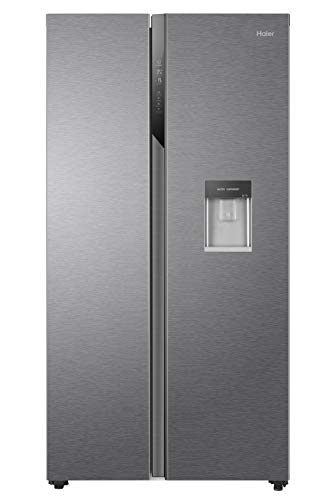
- Side-by-Side Refrigerators: Provides simple access to both freezer and fresh food sections. Excellent for narrow cooking areas.
- French Door Refrigerators: Combines the advantages of bottom freezers with side-by-side layouts. They often feature additional functions such as ice and water dispensers.
- Compact Refrigerators: Perfect for small areas like dorm spaces or workplaces.
3. Energy Efficiency
- Look for energy-efficient designs to save money on electrical energy bills. Examine the Energy Star label, which suggests that the home appliance fulfills or surpasses energy performance requirements.
- Consider the typical annual energy intake reported in kilowatt-hours (kWh).
4. Functions
- Ice and Water Dispenser: Convenient for instant access to ice and filtered water.
- Smart Technology: Some fridges come geared up with Wi-Fi connection that permits you to monitor and change settings from your mobile phone.
- Adjustable Shelves and Bins: For adjustable storage to accommodate tall items.
- Temperature Control Zones: Different areas might have different environment controls for ideal storage of different foods.
5. Cost
- Set a budget plan. Fridge To Buy can range from a few hundred to a number of thousand dollars depending upon design, size, and features.
- Consider extra expenses such as extended service warranties, delivery, and installation.
Relative Table of Popular Fridge Styles
| Fridge Style | Typical Price Range | Pros | Cons |
|---|---|---|---|
| Top Freezer | ₤ 400 - ₤ 1,200 | Budget-friendly, energy-efficient | Minimal features |
| Bottom Freezer | ₤ 900 - ₤ 2,500 | Easy access to fresh food | Can be costly |
| Side-by-Side | ₤ 600 - ₤ 3,000 | Good organization, simple access | Freezer space can be restricted |
| French Door | ₤ 1,200 - ₤ 4,000 | Roomy, trendy, frequently feature-rich | Higher rate point |
| Compact | ₤ 150 - ₤ 600 | Space-saving, portable | Limited storage capability |
Frequently Asked Questions (FAQs)
1. The length of time do fridges typically last?
Normally, a well-maintained refrigerator can last around 10 to 20 years. Regular maintenance, such as cleaning the coils and checking door seals, can extend its life-span.
2. How can I keep my fridge effectively?
- Keep the coils clean to assist preserve energy performance.
- Make sure that the door seals are tight to prevent cold air from getting away.
- Frequently thaw (if applicable) and tidy the interior to prevent accumulation of bacteria and odors.
3. Do I need to spend for shipment and setup?
A lot of sellers charge for delivery and installation, however this fee can in some cases be waived during promotions. Constantly validate the charges before completing your purchase.
4. What should I do if my fridge is not cooling effectively?
Start by checking the temperature settings and guarantee the vents are clear of any blockages. If the concern continues, it may be necessary to consult a professional repair service.
5. How can I determine the size of the fridge I need?
As a general standard, permit about 4 to 6 cubic feet of area per individual in your home. However, this can vary based upon private cooking and storage habits.
Buying a refrigerator may appear easy, however it needs careful consideration of numerous aspects. By evaluating your requirements and preferences in regards to size, design, features, and energy performance, you're better placed to pick a fridge that will serve your home well for many years to come. This guide intends to simplify the intricacies included in fridge shopping, empowering you to make a notified decision that will boost your kitchen area experience. Whether you're updating or acquiring your very first unit, a little research can lead to a refrigerator that completely fits your way of life and cooking practices.